Physiotherapy & Occupational Therapy Admissions: Introduction
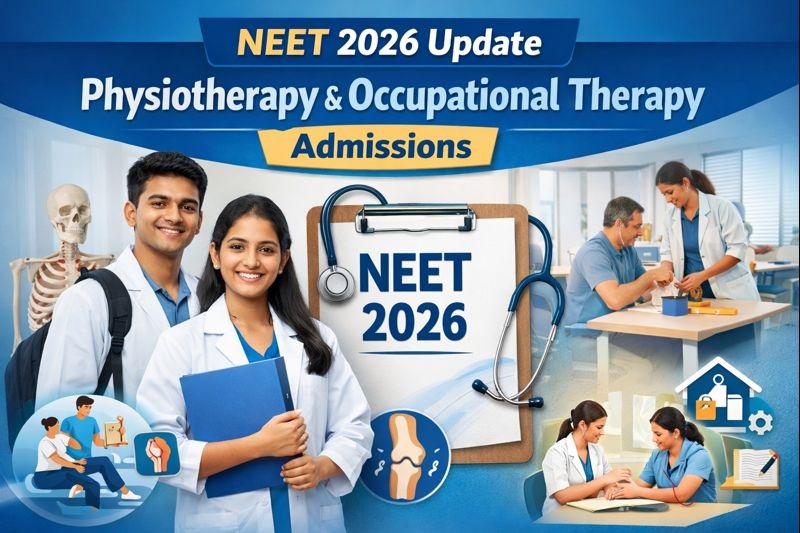
In a landmark decision affecting thousands of aspirants across India, the National Eligibility-cum-Entrance Test (NEET) will now include Physiotherapy (BPT) and Occupational Therapy (BOT) courses as part of its eligibility and admissions process starting from the 2026–27 academic year. This move, mandated by the National Commission for Allied and Healthcare Professions (NCAHP), fundamentally alters the way students gain admission into allied health programs and aligns these professional degrees with existing NEET-based medical admissions.
In this detailed, SEO-optimized guide, we will explore what the change entails, new eligibility criteria, potential impacts on students, career scope, and key advice for future aspirants. The aim is to help aspiring physiotherapists, occupational therapists, parents, and career counselors understand everything about this crucial update and how to approach NEET 2026 with confidence.
Understanding NEET: From MBBS/BDS to Allied Healthcare Admissions
The National Eligibility-cum-Entrance Test (NEET) has been India’s single, unified entrance exam for undergraduate medical and dental courses (MBBS/BDS) for several years. Traditionally, NEET eligibility covered medical, dental, ayurveda, and homoeopathy courses.
However, in a significant policy shift, NEET 2026 will also serve as the qualifying entrance test for allied healthcare courses such as Physiotherapy and Occupational Therapy. This means candidates aspiring for Physiotherapy admission through NEET or Occupational Therapy admission via NEET must now prepare for the same exam that medical aspirants have been taking for years.
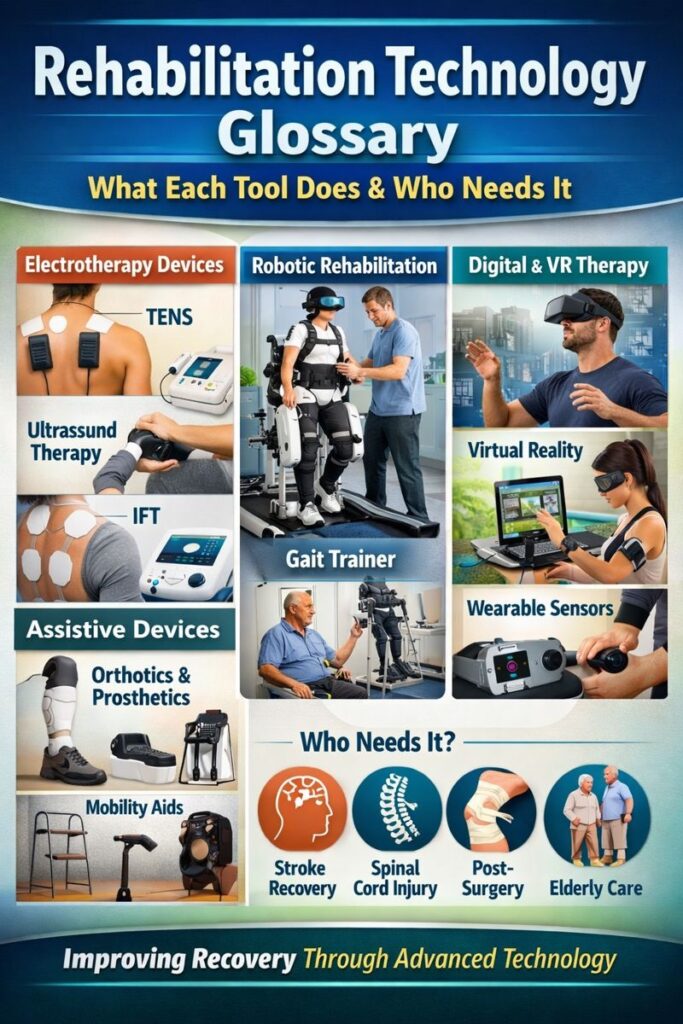
You may like: in 10 points Rehabilitation Technology Glossary: Tools, Uses, and Who Needs Them
This change unifies the admissions process for healthcare disciplines under one national standard, enhancing transparency and accountability.
What Are Physiotherapy and Occupational Therapy?
Physiotherapy: An Overview
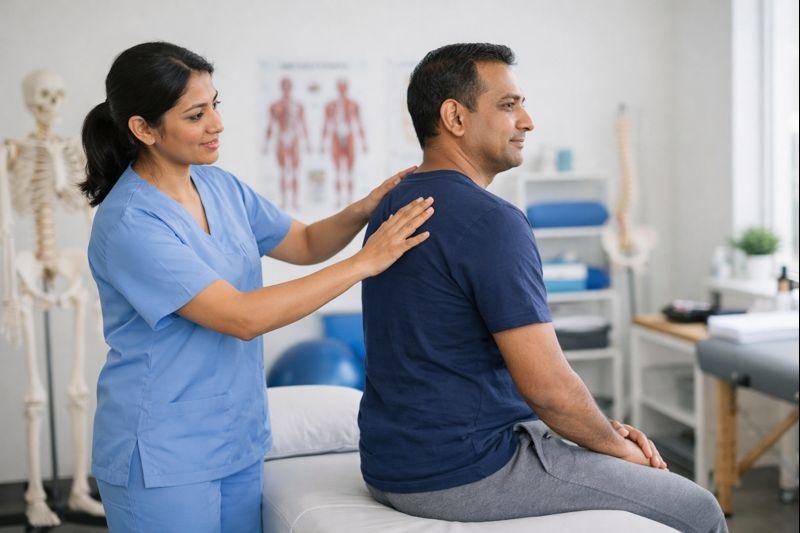
Physiotherapy is a healthcare profession focused on improving physical functioning, mobility, pain relief, and quality of life through therapeutic exercises, manual therapy, and rehabilitative techniques. Physiotherapists often work with patients dealing with injuries, post-surgery rehabilitation, neurological conditions, and chronic pain.
With NEET becoming mandatory for BPT admissions in 2026, students aiming for Physiotherapy courses via NEET must now ensure they meet this requirement as part of their eligibility.
Occupational Therapy: Supporting Independence and Function
Occupational Therapy (OT) is a vital allied health profession that focuses on enabling individuals — especially those with injuries, disabilities, or chronic health conditions — to engage successfully in daily life activities, including self-care, work tasks, and leisure. Like physiotherapy, Occupational Therapy training emphasizes rehabilitation and skill recovery.
From 2026, students seeking entry into Occupational Therapy programs will also require a valid NEET 2026 score.
Together, Physiotherapy and Occupational Therapy courses through NEET represent a new inclusion under the broader allied healthcare education system.
Why NEET for Allied Healthcare Admissions? Key Drivers Behind the Policy
The National Commission for Allied and Healthcare Professions (NCAHP) has officially integrated NEET as a core eligibility criterion for undergraduate allied healthcare programs, including physiotherapy and occupational therapy, beginning in the 2026–27 admissions cycle.
The rationale for this shift includes:
- Uniform Selection Standard: Prior to this, admissions to physiotherapy and related allied health courses were inconsistent, with colleges using different entrance tests or merit-based admissions. NEET creates a single, merit-based evaluation platform for eligible candidates nationwide.
- Improved Quality Control: NEET ensures a standard level of academic preparedness among students entering healthcare programs, making sure all aspirants meet a basic national benchmark.
- Transparent Admissions Process: By integrating allied healthcare courses under one central examination, the admissions process becomes more transparent, de-centralized, and less susceptible to irregularities.
- Better Recognition and Professional Status: This update also reflects a broader effort to elevate allied healthcare professions, making careers like physiotherapy and occupational therapy more recognized and respected across the healthcare system.
Eligibility Criteria for NEET 2026 Admission into Physiotherapy & Occupational Therapy
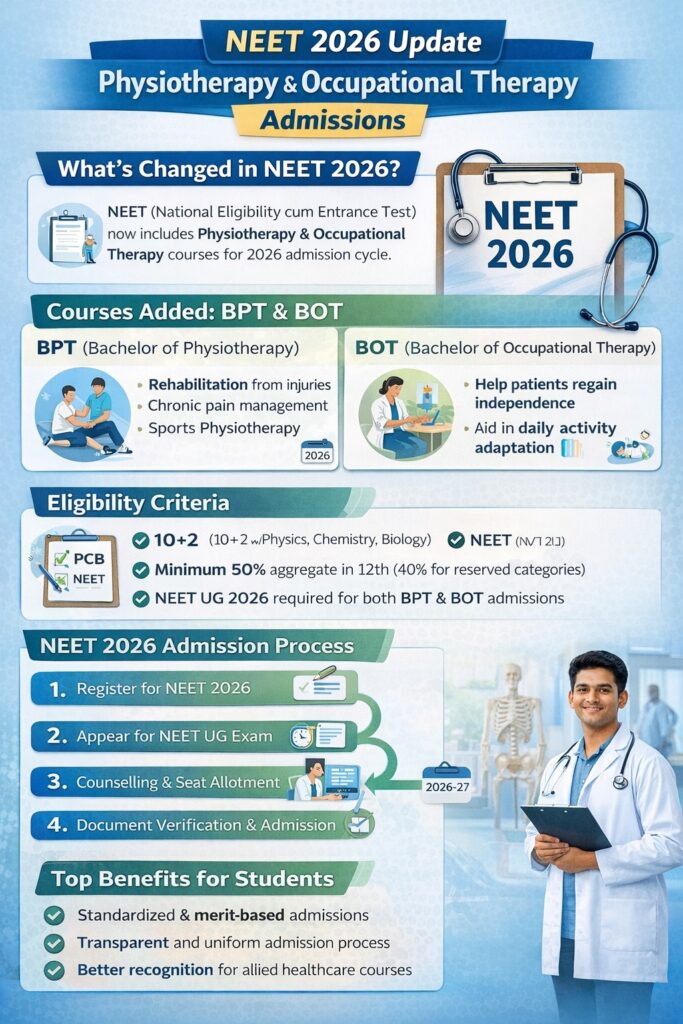
Under the updated framework, candidates must fulfill both academic eligibility and NEET qualification to secure admission into BPT and BOT courses.
1. Academic Eligibility
- Candidates must have passed Class 12 or its equivalent examination with subjects including Physics, Chemistry, and Biology (PCB).
- A minimum aggregate of 50% in Class 12 PCB is typically required, with 40% for reserved category students.
2. NEET Qualification
- Appearing for NEET UG 2026 exam is compulsory. Whether students aim for MBBS, BDS, or allied healthcare programs like physiotherapy and occupational therapy, NEET scores will be used for admissions starting this academic cycle.
- There is no separate entrance test for these programs as part of NCAHP’s new directive — everything is consolidated under the NEET umbrella.
This combined eligibility structure will ensure that students entering BPT and BOT courses through NEET possess a strong foundation in biological sciences and competitive aptitude.
NEET 2026 Exam and Admission Process: What Students Should Know
Step-by-Step Overview
- NEET Registration and Exam
Candidates must register for NEET UG 2026 and appear for the examination. - Release of Results
After the exam, the National Testing Agency (NTA) will publish scores and qualifying status. - Counselling & Seat Allotment
All eligible candidates will participate in centralized counselling for seat allocation into physiotherapy, occupational therapy, medical, and other allied programs based on their NEET rank and preferences. - Document Verification & Admission
Finally, successful candidates must complete the verification process and secure their seats in the allotted institutions.
Important NEET 2026 Tips
- Follow the NEET syllabus closely and schedule preparation from Class 11 onwards.
- Join mock tests and revision sessions to strengthen performance on Biology, Physics, and Chemistry topics.
- Monitor official NEET notifications on the NTA website for updates on dates, syllabus, and counselling schedules.
Preparing for NEET When Aiming for Physiotherapy and Occupational Therapy
Preparing for NEET 2026 with the aim of pursuing physiotherapy or occupational therapy requires strategic planning. Here are key recommendations:
Focus on Biology
Biology carries substantial weight in NEET and forms the core of assessment for allied healthcare admissions. Master topics such as human physiology, genetics, ecology, and cellular biology.
Understand Competitive Thresholds
While exact cut-offs for allied healthcare may differ from MBBS/BDS, a stronger NEET score improves chances of admission into better colleges offering Physiotherapy or Occupational Therapy programs.
Time Management in Exam
Practice NEET-style multiple-choice questions to improve speed and accuracy. This is especially crucial given the competition among aspirants.
Career Scope and Growth After Physiotherapy or Occupational Therapy Admission
Physiotherapy Career Prospects
Graduates with a Bachelor of Physiotherapy (BPT) have a wide range of career opportunities:
- Clinical Practice: Work in hospitals, rehabilitation centers, sports clinics.
- Private Practice: Open individual physiotherapy clinics.
- Sports and Fitness: Careers in sports medicine and performance rehabilitation.
- Further Specialization: Pursue Master of Physiotherapy (MPT) for advanced expertise.
Physiotherapists are also gaining stronger professional status with enhanced training and recognition in India’s healthcare ecosystem.
Occupational Therapy Career Pathways
Occupational therapists can find roles across:
- Pediatric Care
- Community Rehabilitation
- Geriatric Support Services
- Corporate Wellness Centers
- Support in Mental Health and Disability Services
These sectors are expanding rapidly as the healthcare industry emphasizes holistic rehabilitation and quality of life improvements.
Frequently Asked Questions (FAQs)
Q1. Is NEET required for Physiotherapy from 2026?
Yes, NEET UG will be mandatory for admission into physiotherapy (BPT) courses from the 2026 academic year.
Q2. Will Occupational Therapy admissions need NEET too?
Yes, NEET qualification is required for Occupational Therapy (BOT) admissions starting from the same cycle.
Q3. What minimum marks are needed in Class 12?
Typically a 50% aggregate in PCB is required, with exceptions for reserved categories.
Q4. Can I still apply for physiotherapy without NEET?
From 2026 onwards, NEET is necessary — direct or institutional entrance exams alone will not suffice.
Conclusion: A New Era for Allied Healthcare Admissions in India
The inclusion of Physiotherapy and Occupational Therapy courses in the NEET 2026 admissions process marks a significant transformation in India’s healthcare education landscape. This change improves access, standardizes eligibility, and aligns allied healthcare with national academic expectations.
For students, this means greater competition but also clearer pathways and wider recognition for healthcare careers beyond MBBS and BDS. Aspiring candidates should prepare strategically, leveraging NEET preparation plans while understanding the scope of physiotherapy and occupational therapy careers post-admission.
Ultimately, this update reflects a broader commitment by India’s healthcare and educational authorities to strengthen allied healthcare professions — ensuring that future physiotherapists and occupational therapists are selected through merit and trained under consistent standards.